image

Centuries of History

From the 7th Century the Tiwanaku empire, had started to expand from the Peruvian coast, into the centre of South America in the Altiplano area. By the 11th Century the vast area was split into simpler regions. The area maintained its dense populations mainly through agriculture.
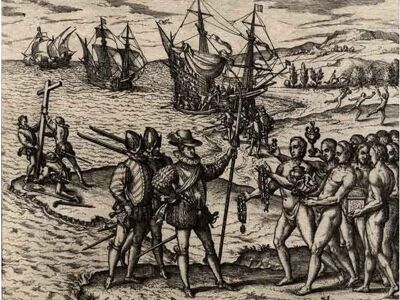
The Spanish Conquest provoked the local Indian people into mines. Searching for silver. Bolivia at this time contained what was known to be the largest mines in the world.
However, in 1809, cities such as La Paz, (now the capital), started uprising against the Spanish rule. This was the first steps towards independence. Eventually, on August 6th, 1825, Bolivia was made a country.
image

Independence Onward

Bolivia soon after entered a federation after, however this soon failed due to other countries feuding. Bolivia soon entered conflict of its own in 1879, losing its coastal territory to Chile in the “War of the Pacific”. This meant is was landlocked. In 1952 Bolivia encountered a national revolution, Its main leaders were the former presidents Víctor Paz Estenssoro and Hernán Siles Zuazo. This led to economic reforms and the nationalization of tin mines. In 1982 Democratic society was re, established and In 2006 Bolivia elected its first Indigenous leader, Juan Morales who served up until 2019.

image

Current Issues and Events

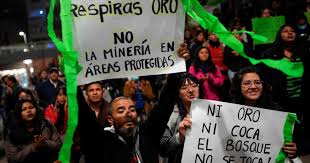
In Bolivia, there are many issues currently faced in Bolivia, these include a unfair judicial system and how effective it actually is. Bolivia also faces serious human right challenges. This includes gender-violence, healthcare and prison overcrowding. Bolivia has also faced many economic challenges. Especially coming out of Covid. This has led to poverty and unemployment. Bolivia is also dealing with environmental problems such as deforestation, pollution and illegal mining. All of these have impacted Indigenous communities living there.

image