image

Life Expectancy

Life Expectancy has gradually increased throughout the decades. In 1960, it was only 43, however it has exponentially grown to around 63, however there are still challenges with only the density of doctors is 13 out of 10000, whilst comparatively Australia’s is 40 out of 10000.

image

Infant Mortality Rate (IMR)

The average IMR in 2024, was 25.303 deaths per 1000 live births, compared to Australia which was 2.3 in the same period. This number is so scarcely high due to weaning malnutrition. Where a child is faces malnutrition after moving from breast feeding to normal food. Other reasons include poor living conditions and poor hygiene.

image

Human Development Index (HDI) 

Bolivia unfortunately ranks on the lower scale of the Human Development Index, ranking 118th out of 192 countries, with 0.692 compared to Australia ranking 10th with 0.949. Bolivia’s low rank can be linked to a lack of human development. It is also landlocked meaning, the economy depends on the export of raw minerals and gas, making it vulnerable to changes in trade. Bolivia experienced a change of 19.8 percent in IHDI, which shows the inequality they face.

image

Global Domestic Product (GDP)

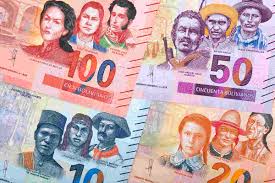
Bolivia GDP from around 1960 has been around 4 Billion until the new millennial where it made a massive jump to 8.3 Billion. Throughout the 2000s and 2010s the GDP linearly increased reaching around the 40 billions in 2020. Due to covid it dropped to 36 billion but has been on the gradual rise ever since. Sitting at 44 billion today. The economy of Bolivia is mainly sourced from agriculture and mining. It also sourced from tourism, hospitality, and real estate all of which make up a little chunk of the economy.

image

Literacy Rate

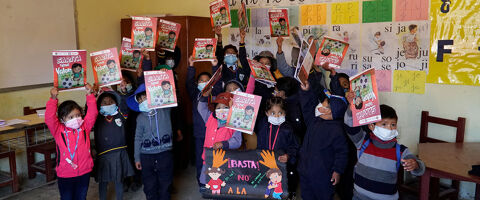
Bolivia has a literacy rate of 93.85% however this number can be deceptive as many schools are underfunded. Teachers often go on strike which can often leave students without teachers. There is also a huge disparity between, rich private and poor state schools.

image

Population

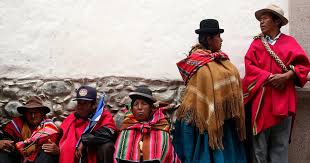
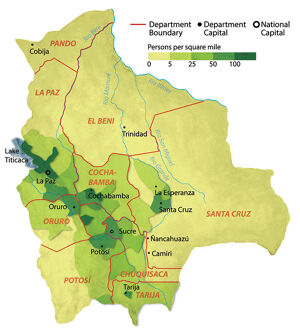
Bolivia’s population is currently at around 12.4 million people and the population density 11.3 people per square kilometre. Bolivia has had a gradual and steady increase in population growing from around 3 million in the 60s. Lots of local people however leave the country due to low salaries, lack of jobs as well as other places such as Spain, Argentina and the US. Where Spanish the main language of Bolivia is also spoken.

image
image